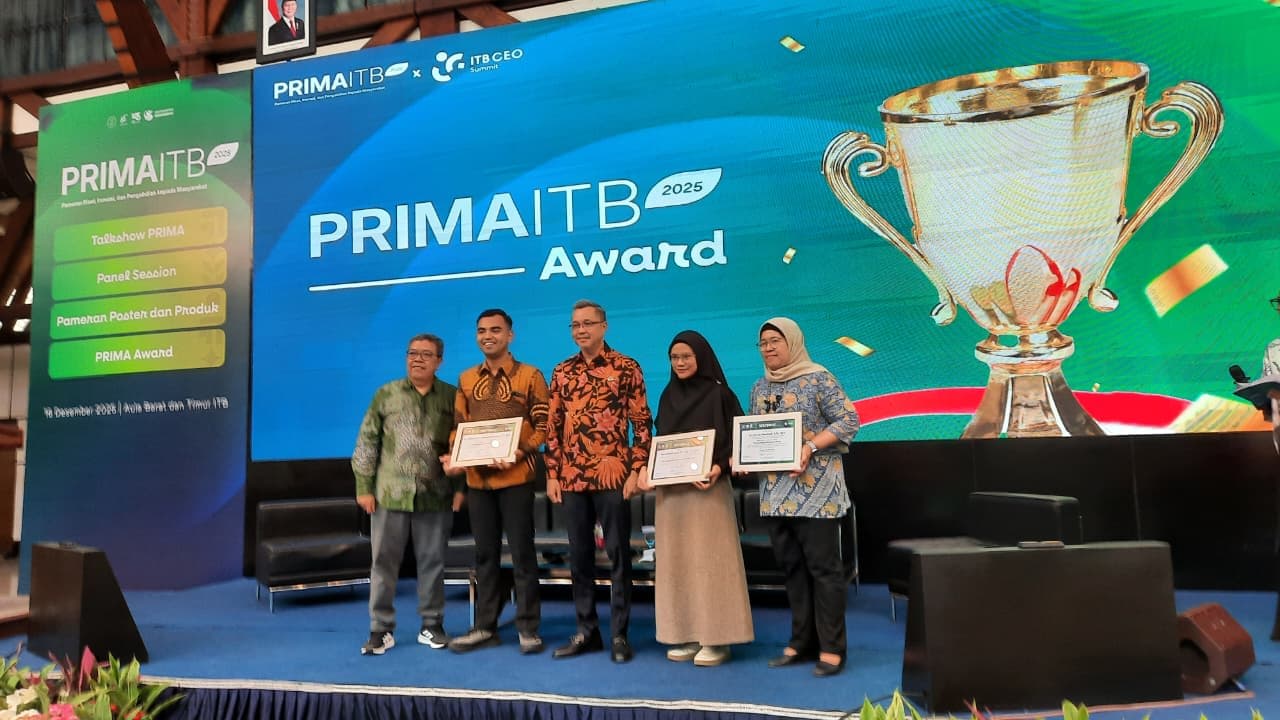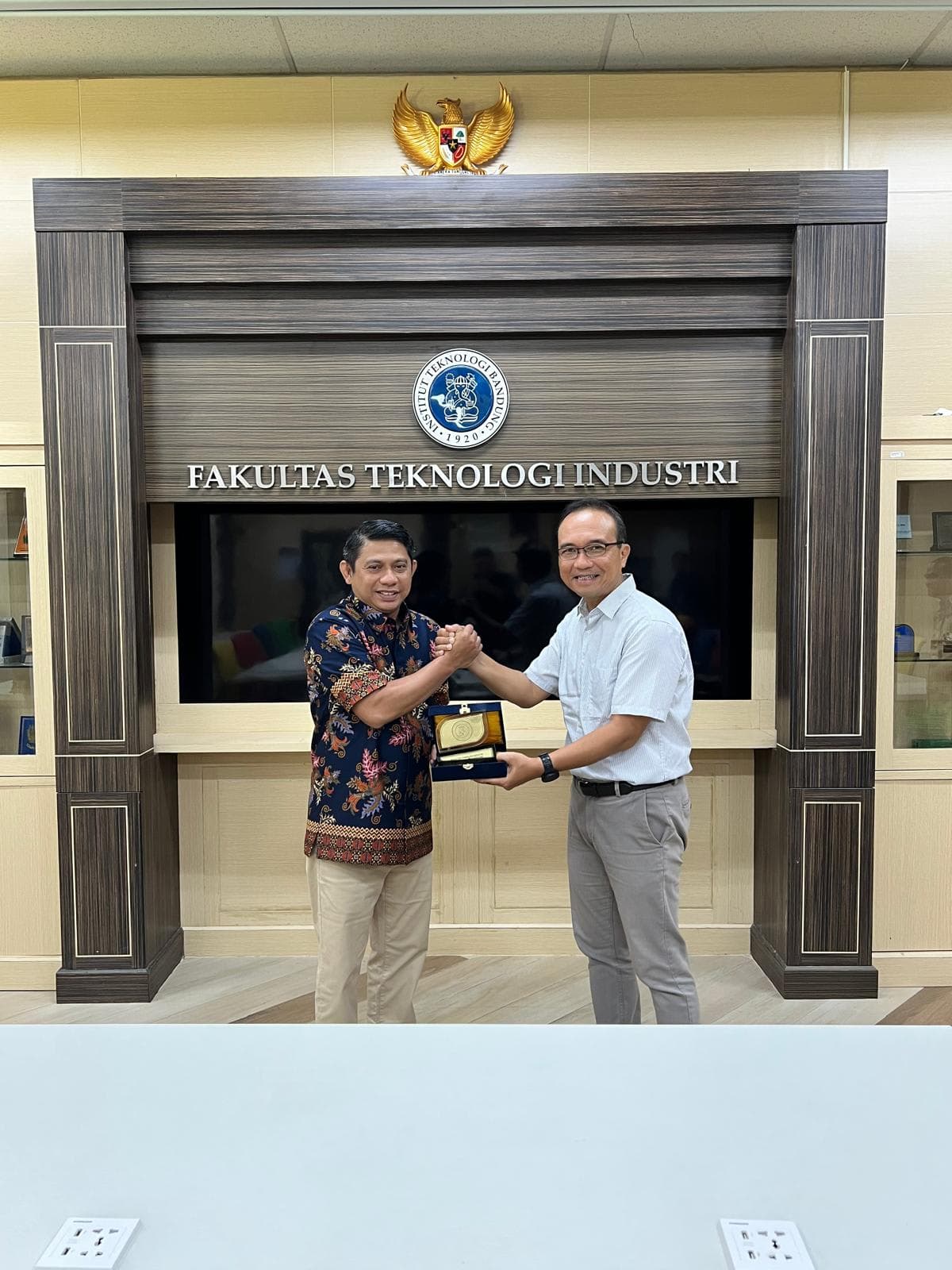

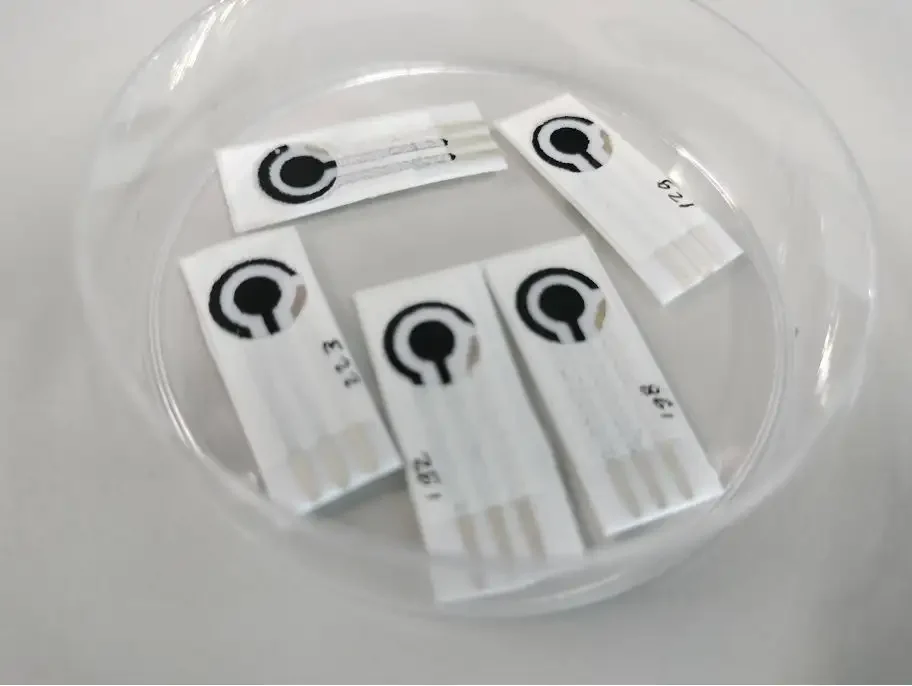
Biosensor research is a field focused on developing devices that integrate bioreceptor components (such as enzymes, antibodies, or nucleic acids) with physicochemical transducers to detect specific analytes. The biological component recognizes a specific target, and the transducer then converts the biological response into a measurable signal, such as an electrical signal. The goal is to create portable, rapid, and sensitive tools for disease diagnosis, environmental monitoring, food safety, and other applications. This type of biosensor has been developed by the Advanced Functional Materials Laboratory at ITB, including devices for detecting glucose, dopamine, and Hepatitis B proteins.
Laboratorium Material Fungsional Maju
"Di AFM Lab, kami mengembangkan teknologi canggih untuk sensor, diagnostik kesehatan, dan aplikasi energi, dipimpin oleh Prof. Brian Yuliarto. Fokus kami meliputi superkapasitor ber-performa tinggi, baterai, pemisahan air, dan sel surya, serta material nanoskala yang inovatif seperti MOFs, material berbasis karbon, GNP, fosfat logam, dan perovskit. Material-material ini direkayasa untuk aplikasi dalam energi berkelanjutan dan perawatan kesehatan. Dalam kolaborasi dengan lembaga nasional dan internasional, kami bertujuan untuk mengubah penemuan ilmiah menjadi teknologi nyata yang berdampak. Hal-hal kecil, dampak besar. Bergabunglah dengan kami dalam membentuk masa depan sains dan teknologi."
500
Publikasi
A collection of our research articles, conference papers, and scientific works published in international journals.
Show Publikasi12
Dana Penelitian
Research projects supported by competitive grants and collaborations with national and international funding agencies.
Show Dana Penelitian52
Anggota
Our team consists of professors, associate professors, and undergraduate to doctoral students who contribute to advancing research and innovation.
Show AnggotaTopik Penelitian
Kami mengeksplorasi solusi inovatif di berbagai bidang, termasuk sensor, diagnostik kesehatan, dan teknologi energi. Penelitian kami bertujuan untuk mendorong batas-batas material canggih dan mengembangkan teknologi yang berdampak untuk masa depan yang berkelanjutan.
Supercapacitor
See Details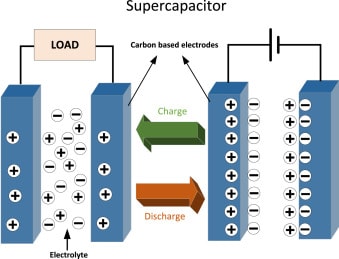
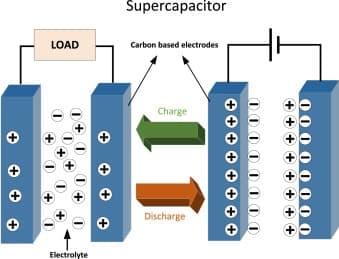
A supercapacitor is an electrical energy storage device that possesses unique characteristics compared to batteries, fuel cells, and conventional capacitors. This device is often referred to as an electrochemical capacitor or ultracapacitor. Structurally, a supercapacitor consists of several main components that interact with each other to achieve optimal energy storage performance. These components include electrodes, separators, electrolytes, and conductive substrates. Supercapacitors can be classified into three main types based on their charge storage mechanisms: electrical double-layer capacitors (EDLCs), pseudocapacitors, and hybrid supercapacitors.
Solar Cell
See Details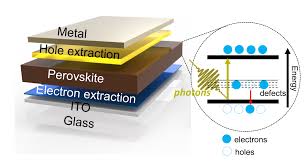
PSC research focuses on the development and performance improvement of solar cells based on perovskite materials, a class of semiconductors with a unique crystal structure and high efficiency in converting sunlight into electricity.
What is Perovskite?
“Perovskite” refers to a crystal structure with the general formula ABX₃, where:
- A = organic cation (e.g., methylammonium (MA⁺), formamidinium (FA⁺))
- B = metal (e.g., Pb²⁺, Sn²⁺)
- X = halide anion (e.g., I⁻, Br⁻, Cl⁻)
Main Goals of PSC Research
- Improve power conversion efficiency (PCE)
- Enhance long-term stability against moisture, heat, and light
- Reduce toxicity by replacing Pb with non-toxic alternatives
- Lower production costs to compete with silicon
Research Focus in Perovskite Solar Cells
| Focus | Explanation |
|---|---|
| Perovskite Materials | Chemical composition modification for higher stability and efficiency |
| Electron/Hole Transport Layers (ETL/HTL) | Interface optimization for more efficient charge transfer |
| Fabrication Processes | One-step, two-step, spin coating, blade coating, etc. |
| Defect Passivation | Minimizing electron-hole recombination caused by crystal defects |
| Encapsulation | Protection from water and oxygen for longer device lifetime |
Water splitting
See Details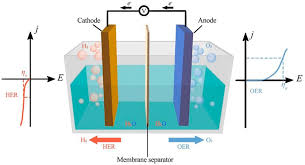
Focuses on splitting water molecules (H₂O) into hydrogen gas (H₂) and oxygen (O₂) using external energy sources, typically from sunlight (photocatalytic), electricity (electrocatalytic), or a combination of both.
| Type | Brief Explanation | Example |
|---|---|---|
| Photocatalytic | Uses sunlight and semiconductors to decompose water. | TiO₂, perovskite |
| Electrocatalytic | Uses electric current and catalysts (usually transition metals) | Pt, NiFe electrodes |
| Photoelectrochemical (PEC) | Combines sunlight and electricity within an electrochemical cell. | PEC with semiconductors such as BiVO₄, hematite |
Research Focus
-
Catalyst Materials: Must be inexpensive, stable, and efficient (e.g., Fe₂O₃, MoS₂, perovskite).
-
Energy Conversion Efficiency: How much light/electrical energy is converted into H₂.
-
Long-Term Stability: Materials should not degrade or corrode in a short time.
-
Production Cost: Reducing cost for commercial applicability.
Publikasi Terbaru
Publikasi kami mengutamakan penelitian terdepan dalam sensor, penyimpanan energi, dan material canggih. Kami berkontribusi pada jurnal-jurnal berdampak tinggi, berbagi terobosan yang mendorong inovasi dalam diagnostik kesehatan dan solusi energi berkelanjutan.
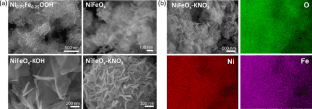
Tailoring NiFeOx nanostructures with molten salts synthesis for non-enzymatic electrochemical sensing of dopamine
Brian Yuliarto, Ni Luh Wulan Septiani, Evan Fajri Mulia Harahap
Journal of Solid State Electrochemistry 2025
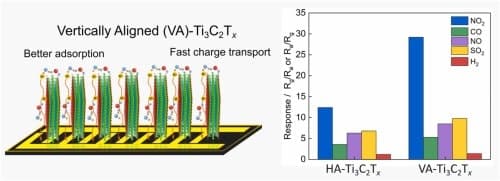
Achieving high-performance NO2 sensors via vertically-aligned Ti3C2Tx nanoarchitectures
Brian Yuliarto, Ni Luh Wulan Septiani
Sensors and Actuators B: Chemical 2025
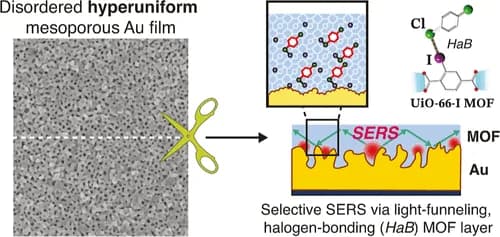
Hyperuniform Mesoporous Gold Films Coated with Halogen-Bonding Metal–Organic Frameworks for Selective Raman Sensing of Chlorinated Hydrocarbons
Brian Yuliarto, Nugraha
ACS nano 2025
Tentang Kami
Selamat datang di AFM Lab, kelompok penelitian terdepan yang dipimpin oleh Prof. Brian Yuliarto, yang mengkhususkan diri dalam pengembangan material fungsional canggih untuk aplikasi dalam sensor, diagnostik kesehatan, dan teknologi energi. Laboratorium kami didedikasikan untuk mendorong batas-batas penemuan ilmiah, dengan fokus pada aplikasi dunia nyata yang berkontribusi pada solusi energi berkelanjutan dan perawatan kesehatan.
Penelitian kami mencakup berbagai disiplin ilmu, termasuk desain dan sintesis material nanoskala, seperti MOFs, material berbasis karbon, GNP, fosfat logam, perovskit, dan CsPbBr. Kami menerapkan material-material ini dalam bidang-bidang utama seperti biosensor, sensor kimia, katalis OER, superkapasitor, dan Sel Surya Perovskit, bertujuan untuk mengatasi beberapa tantangan global yang paling mendesak.
Dengan kombinasi teknik eksperimental dan kolaborasi dengan lembaga penelitian nasional dan internasional terkemuka, kami berusaha mengembangkan teknologi inovatif yang dapat diterapkan secara langsung untuk mendukung industri hilir. Pekerjaan kami tidak hanya didorong oleh rasa ingin tahu ilmiah tetapi juga oleh komitmen untuk memajukan teknologi untuk masa depan yang lebih berkelanjutan dan sehat.
Di AFM Lab, kami percaya bahwa hal-hal kecil memiliki potensi untuk membuat dampak besar. Bergabunglah dengan kami saat kami terus mengeksplorasi batas baru ilmu material dan teknologi.
Kuliah, fakta dan informasi menarik di bidang nanomaterial dan teknologi sensor gas.
Ikuti kami di Youtube
Lihat Kanal
Fasilitas dan Peralatan
Laboratorium kami dilengkapi dengan peralatan mutakhir untuk sintesis, karakterisasi, dan pengujian elektrokimia material, mendukung penelitian canggih dalam sensor, penyimpanan energi, dan teknologi konversi energi.
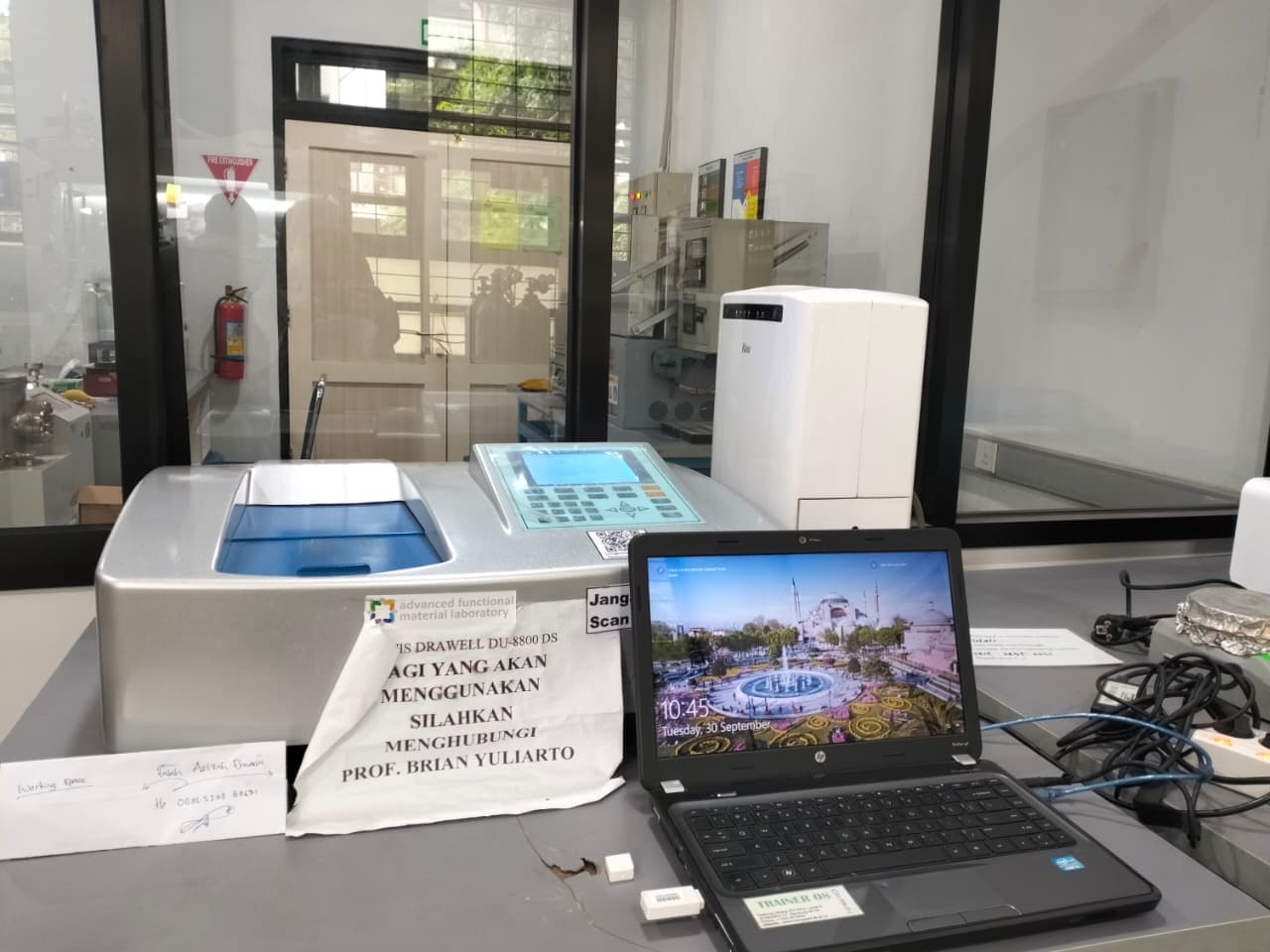
DU-8800DS Double Beam UV/VIS Spectrophotometer
See Details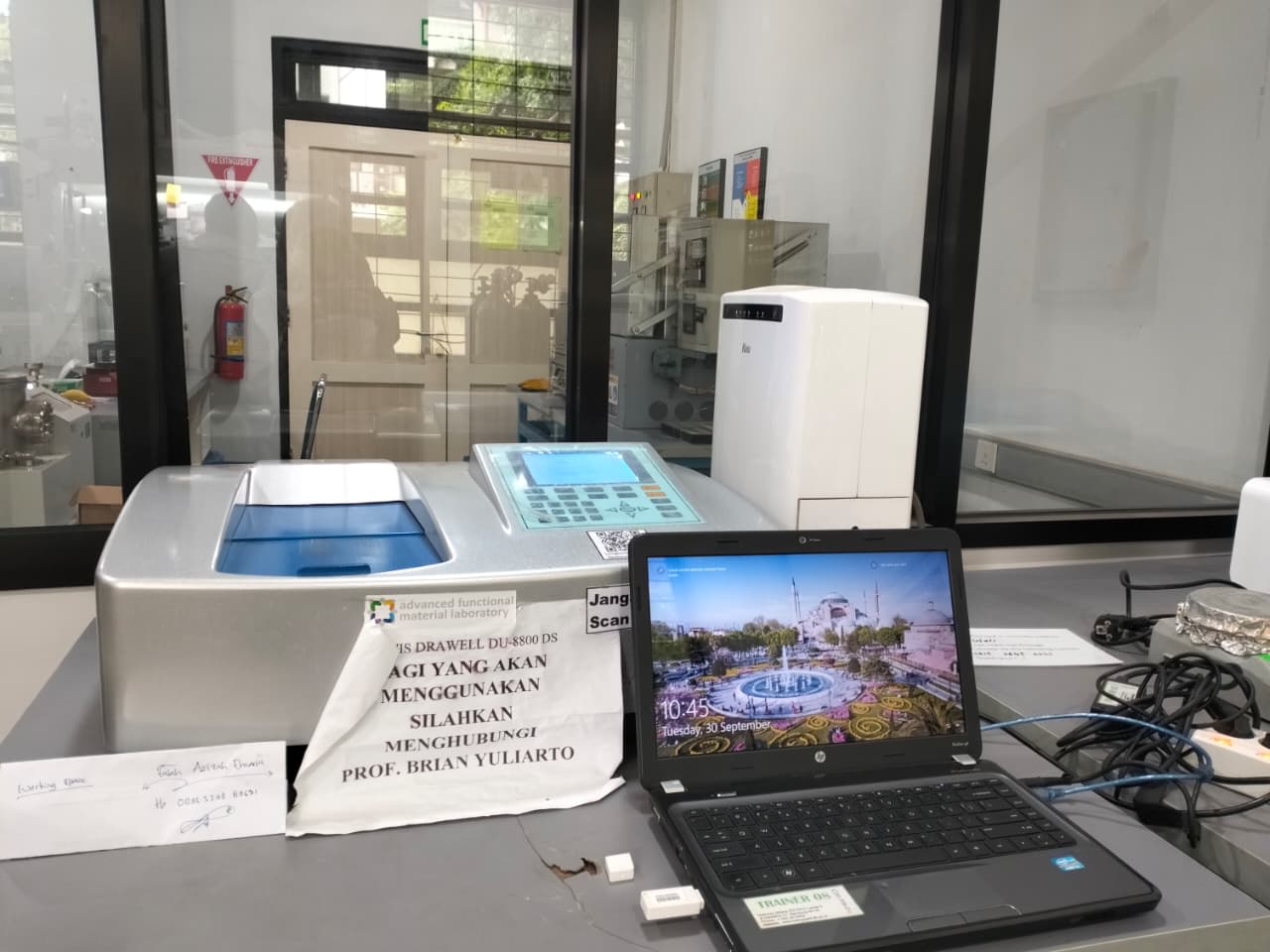
The DU-8800DS Double Beam UV/VIS Spectrophotometer is an advanced analytical instrument designed with a double beam optical system to ensure stability and accuracy during long-term measurements. With a fixed bandwidth of 1.8 nm, it is ideal for research, biochemical, and pharmaceutical laboratory applications.
DW-FTIR-530A
See Details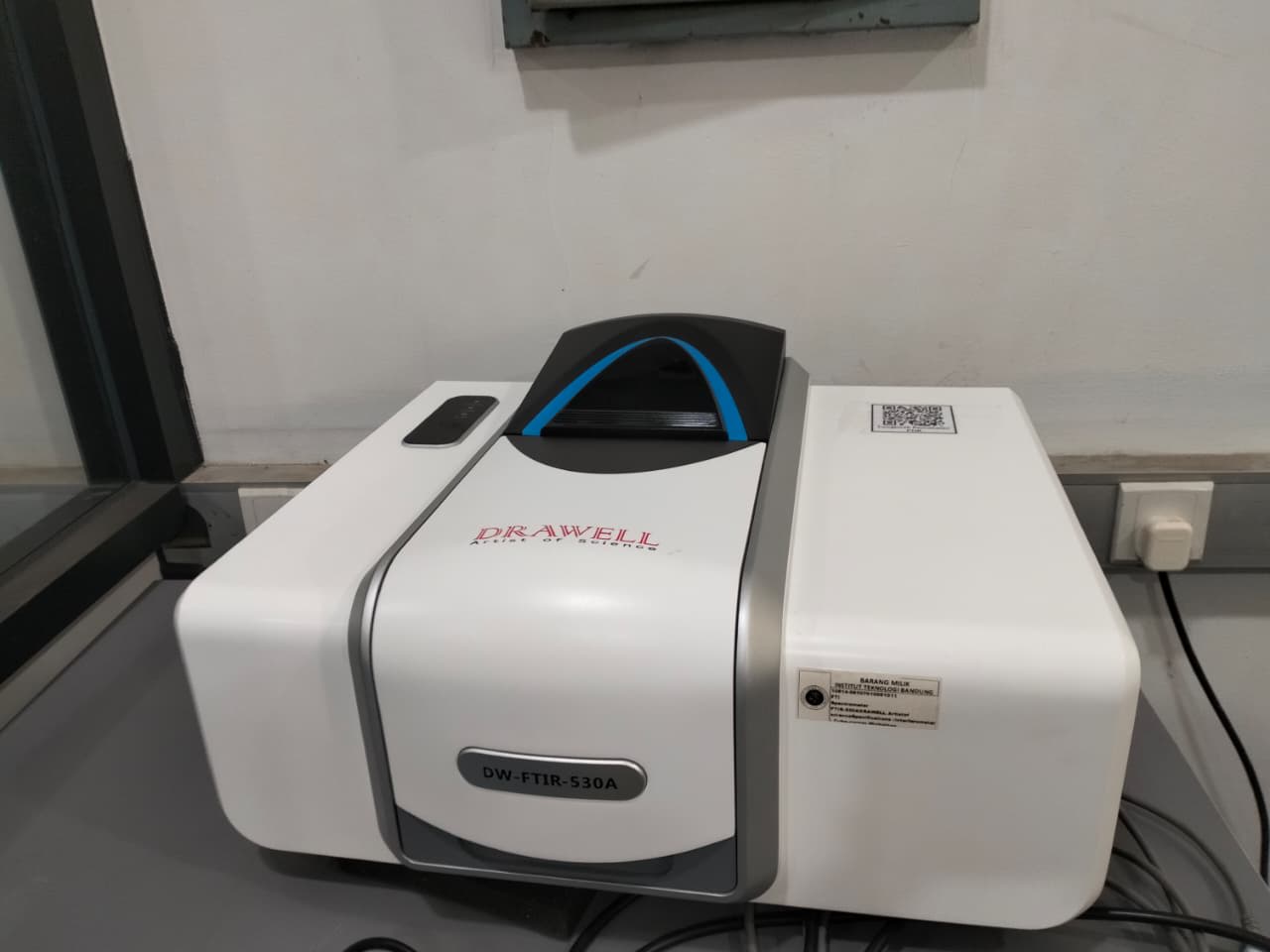
The DW-FTIR-530A is a Fourier Transform Infrared (FTIR) Spectrometer designed for qualitative and quantitative analysis of solid, liquid, powder, and gas samples. By detecting vibrations and rotations of functional groups and chemical bonds, it enables precise identification of materials and structures. This instrument is widely applied in pharmaceuticals, chemistry, geology, petroleum, coal, environmental science, gemology, and forensic analysis.
EZ4 Spin Coater
See Details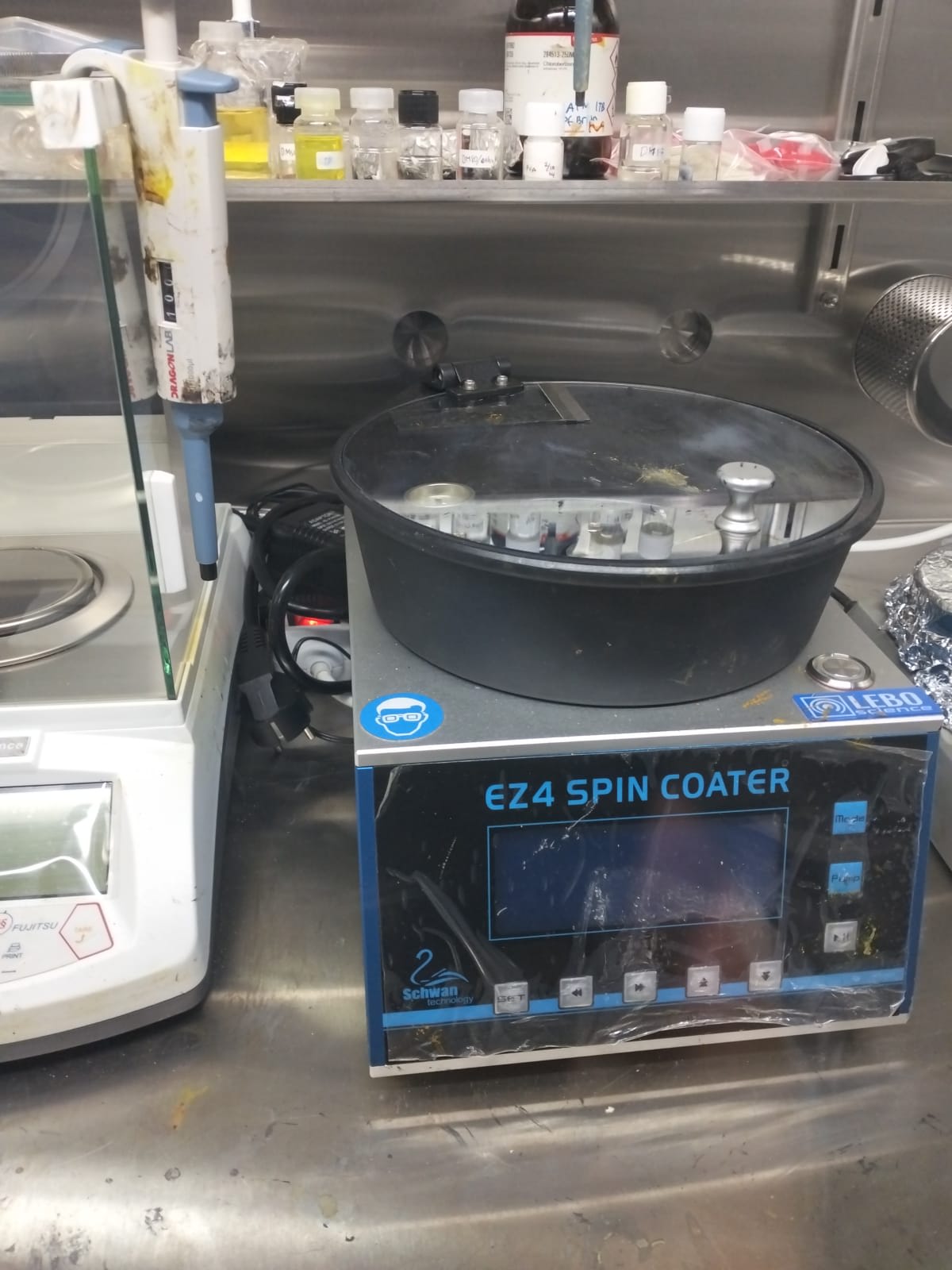
The LEBO Science EZ4 Spin Coater is a high-performance and compact spin coater designed for uniform thin-film coating. Its small footprint allows installation inside a fume hood or glove box. The upgraded control system can store up to five coating recipes, each consisting of five programmable spin steps.
Glove Box with Gas Purification System 2GBS
See Details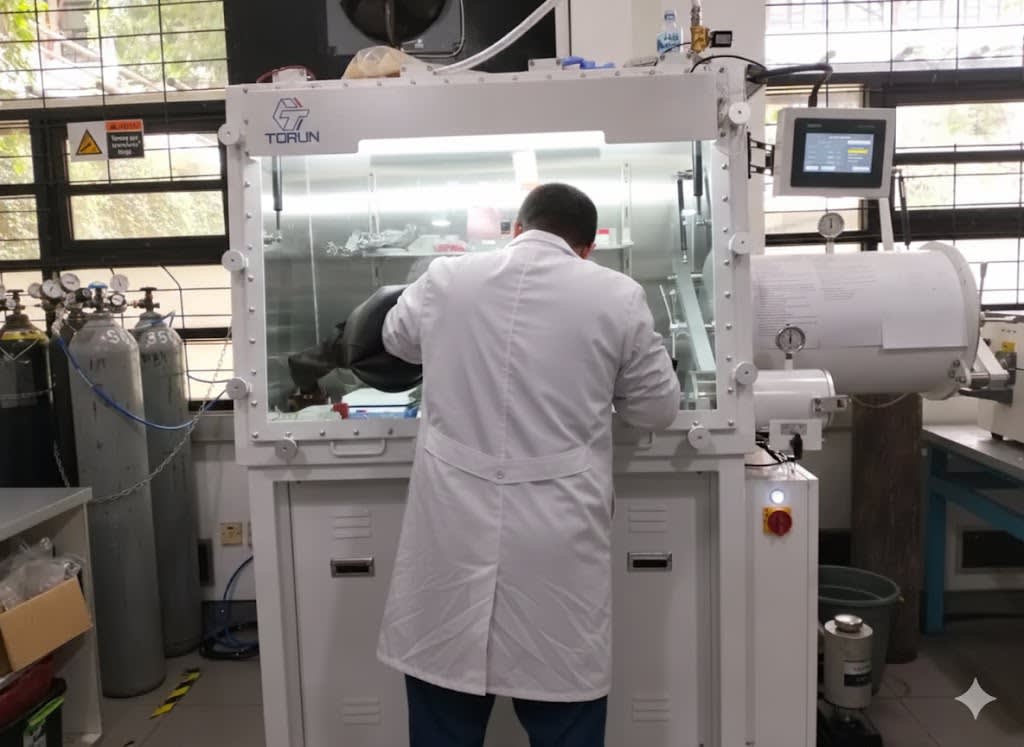
The Glove Box with Gas Purification System 2GBS is designed to provide a controlled, oxygen- and moisture-free environment for advanced research and manufacturing. By combining a sealed glove box with a high-efficiency gas purification system, it enables the handling of sensitive materials under ultra-clean inert gas conditions, ensuring reliable performance for applications in energy, electronics, and chemical industries.
Anggota
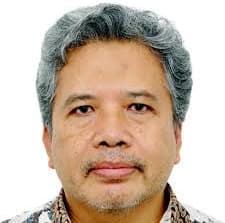
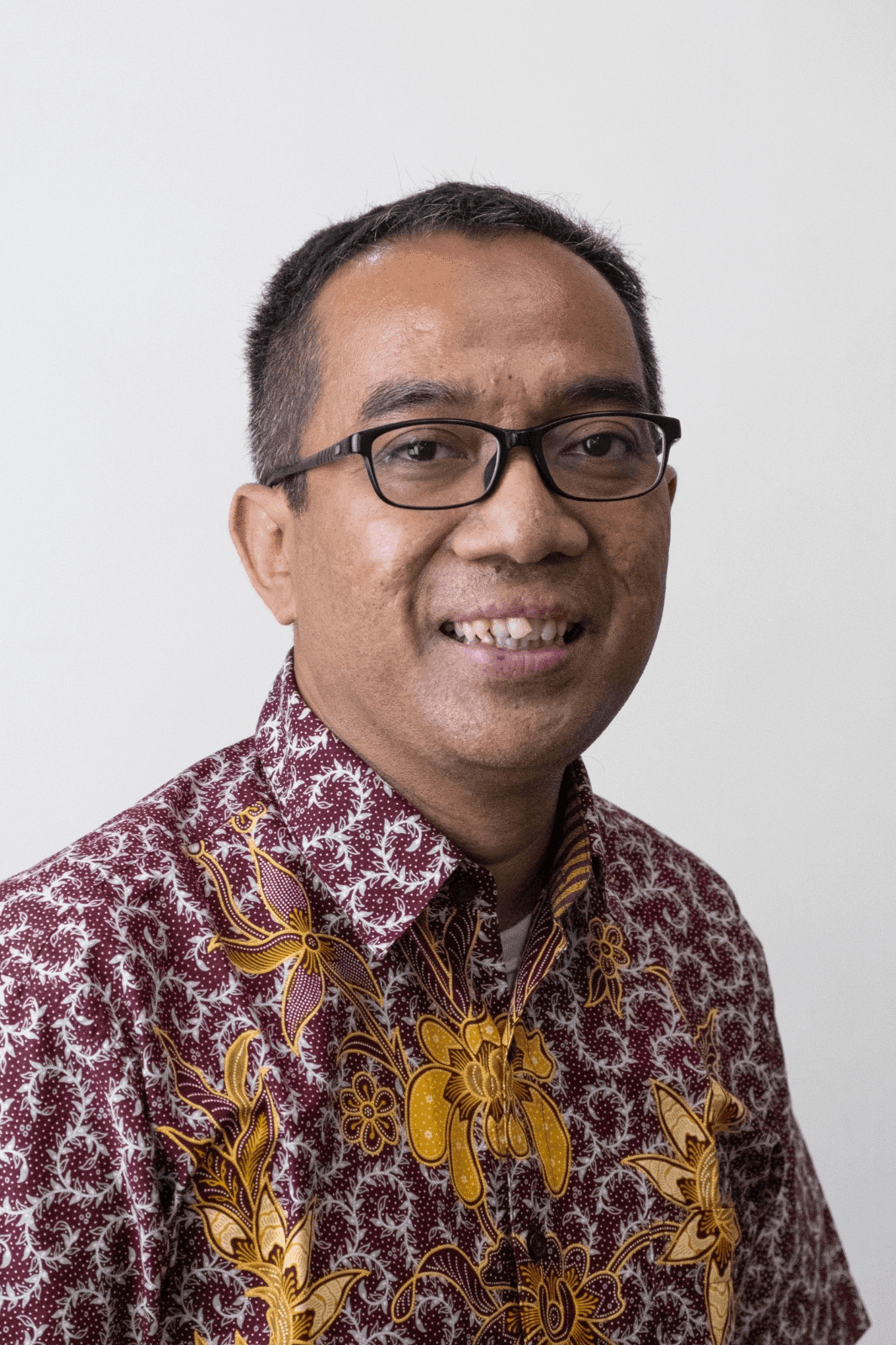
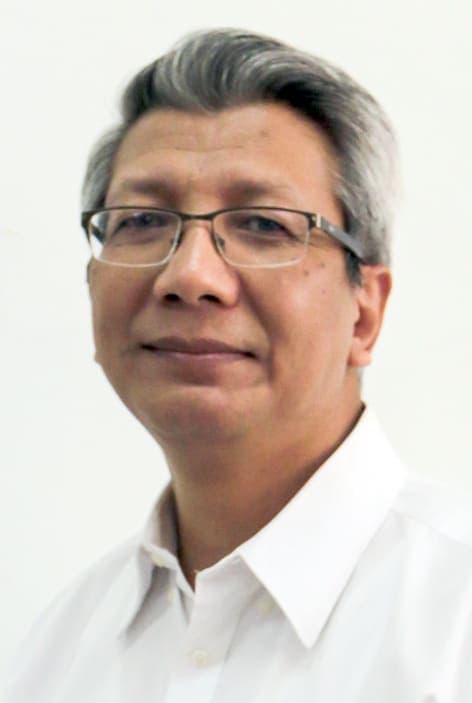
Dipimpin oleh Prof. Brian Yuliarto, tim peneliti multidisiplin kami berdedikasi untuk memajukan inovasi dalam sensor, teknologi energi, dan material canggih, mendorong penemuan dan solusi ilmiah yang berdampak.

Galeri
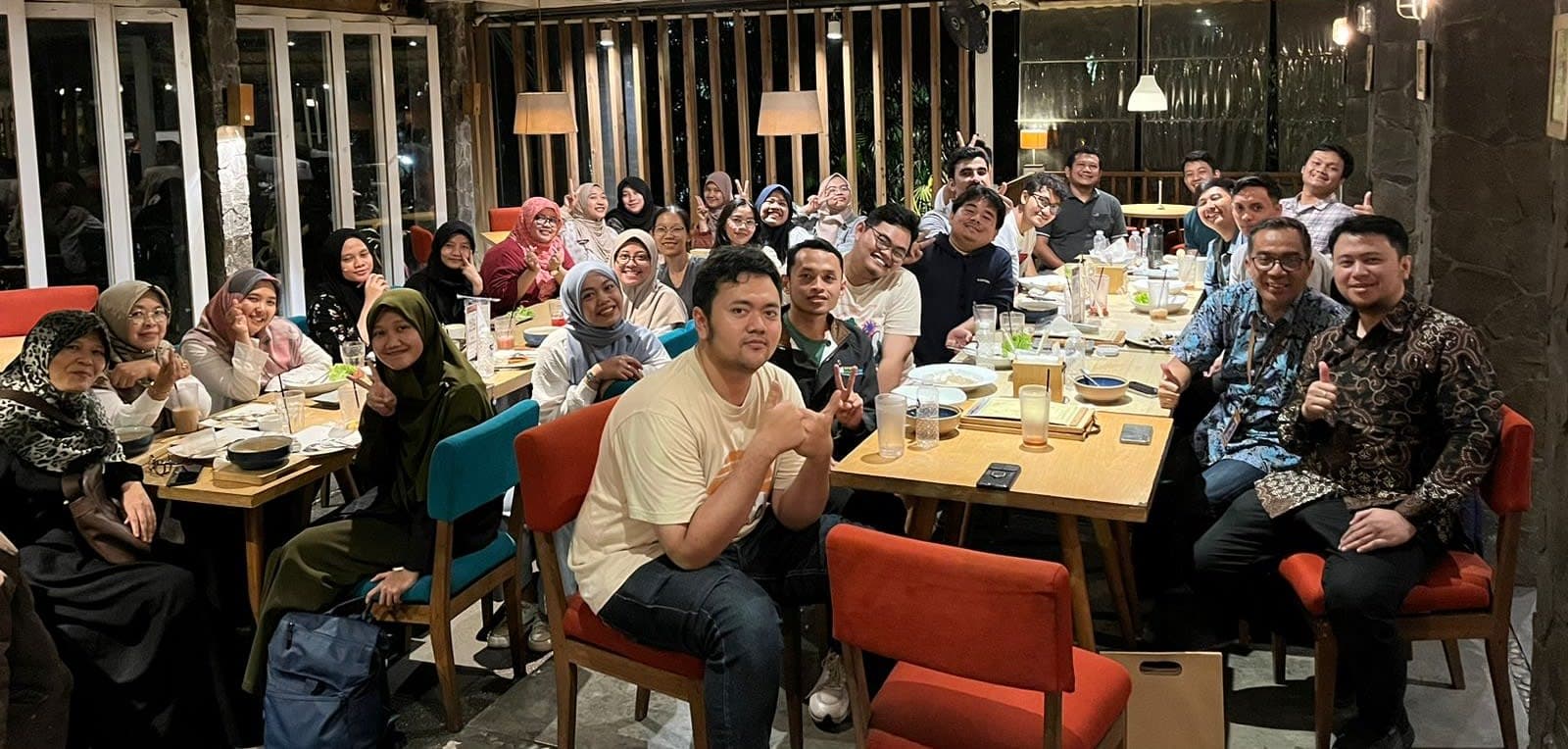
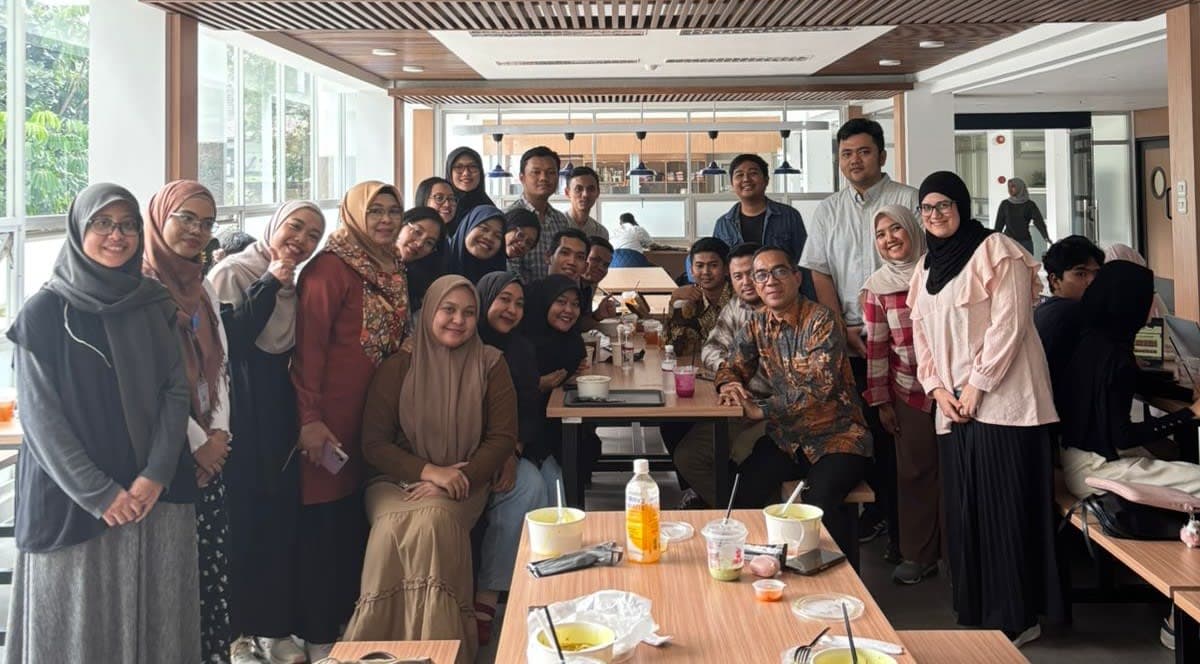
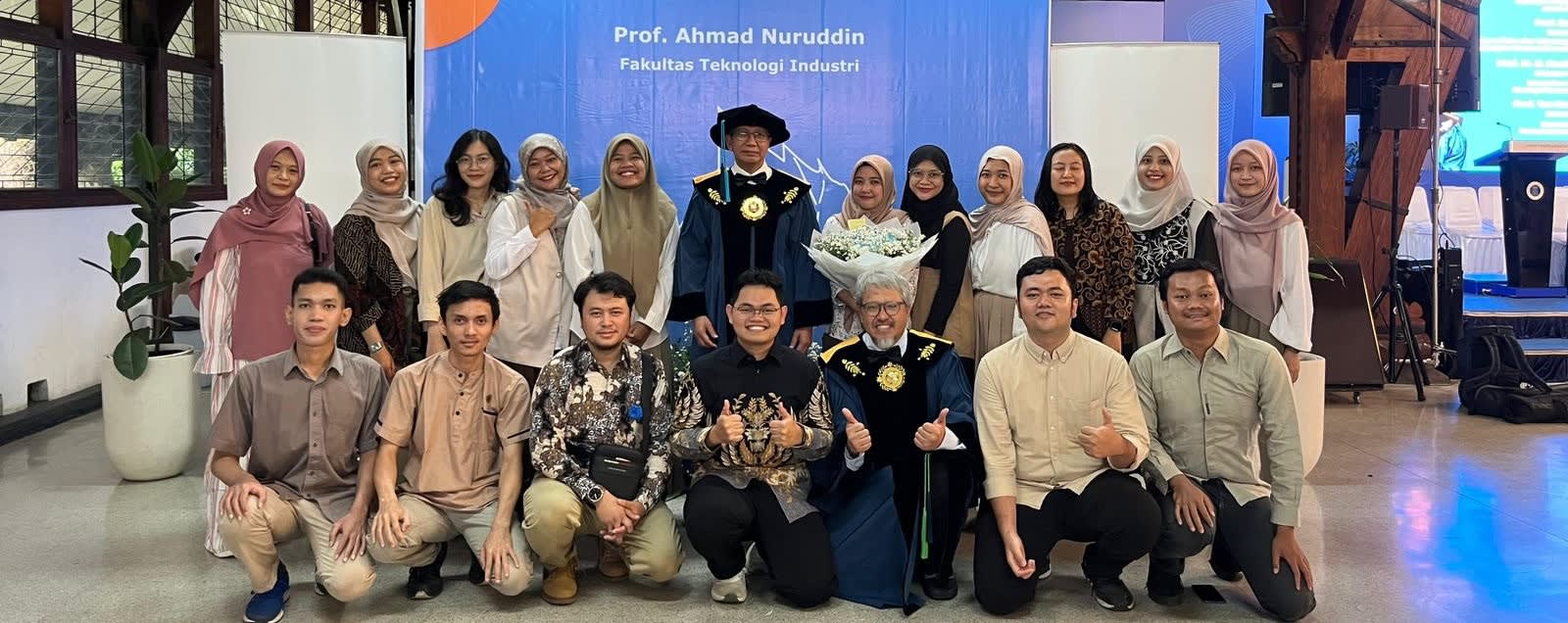
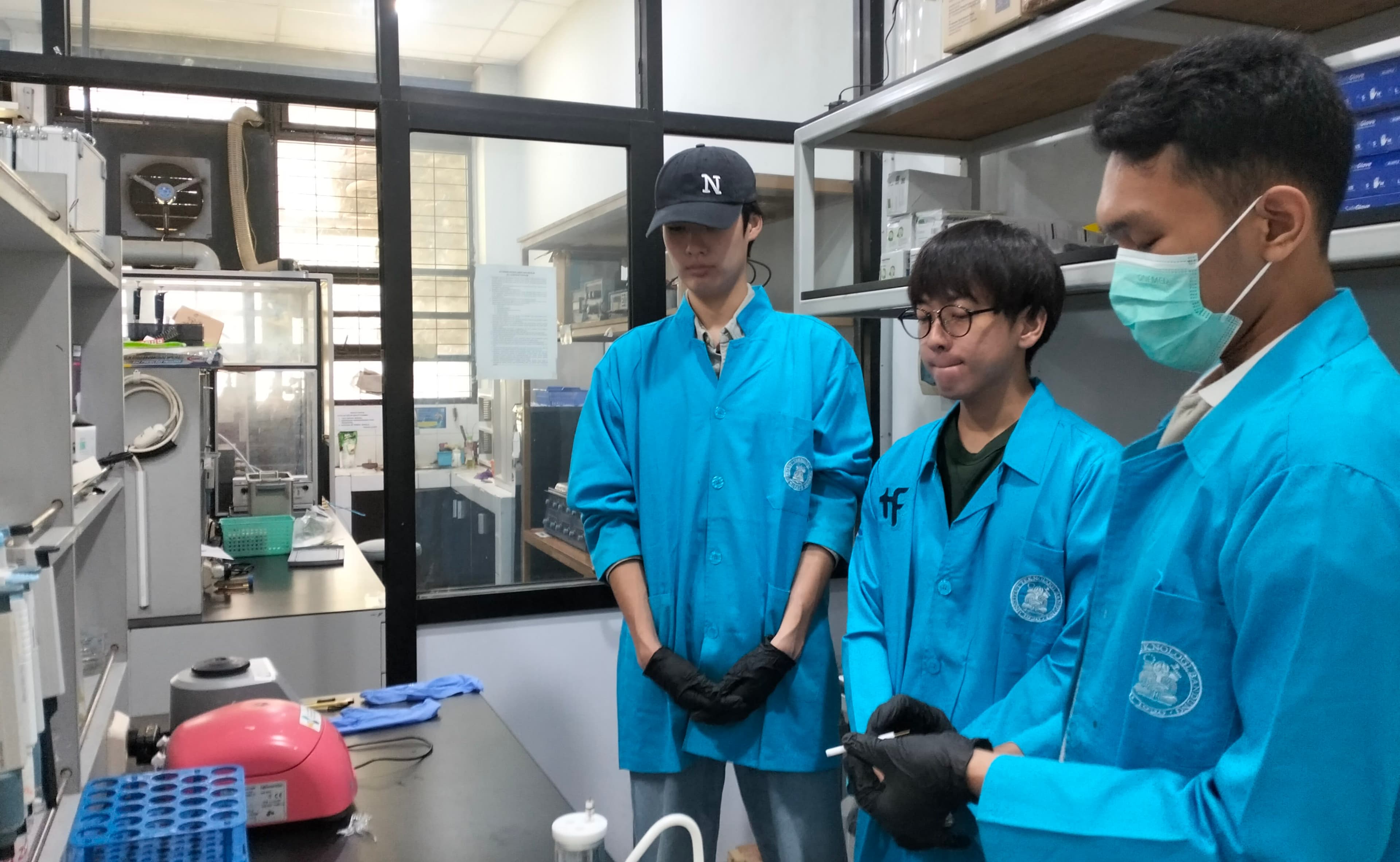
Temukan karya AFM Lab melalui galeri kami, yang menampilkan fasilitas mutakhir kami, kegiatan penelitian, dan kolaborasi, serta menangkap momen-momen inovasi dalam sensor, teknologi energi, dan material canggih.
Berita & Acara
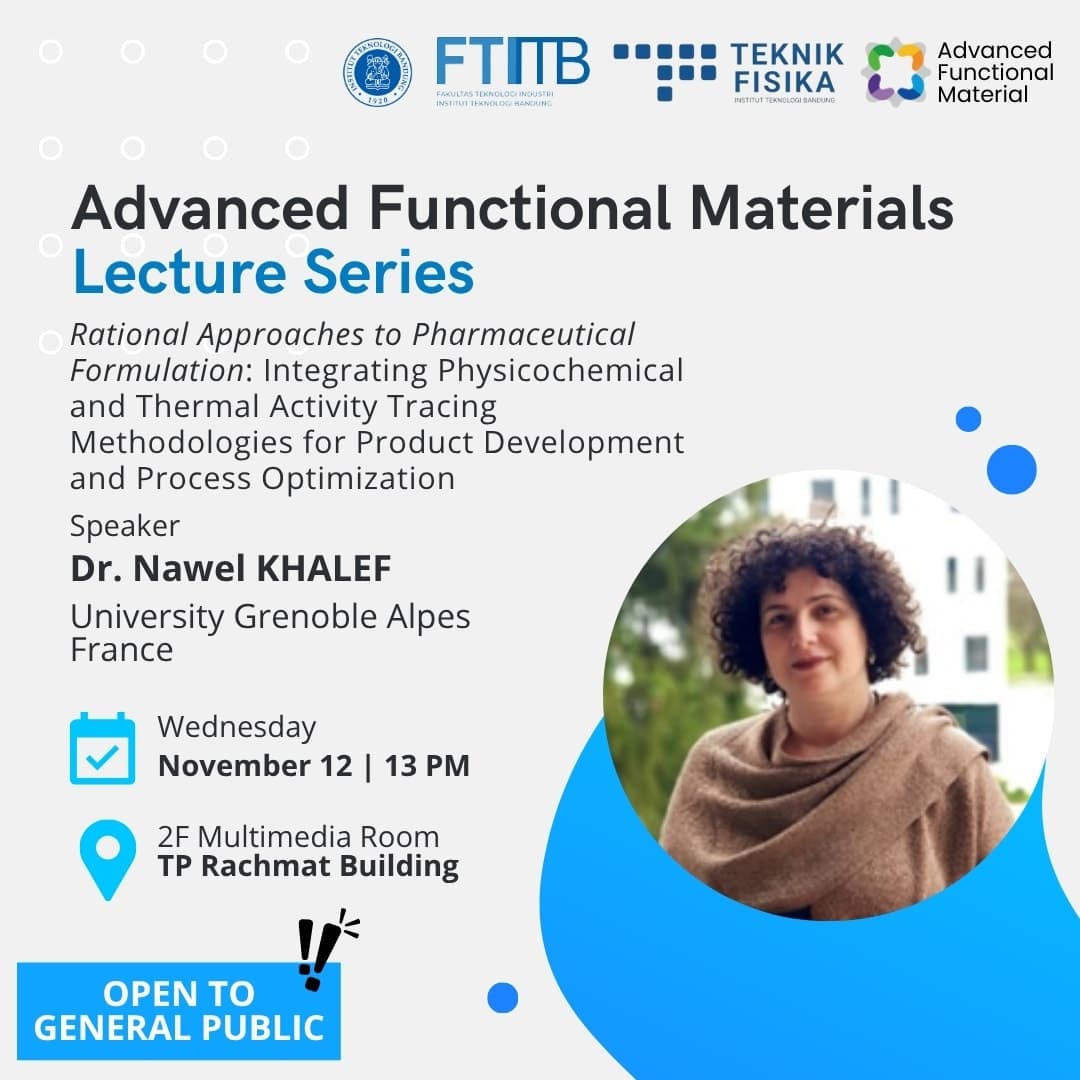
Tetap up-to-date dengan perkembangan penelitian terbaru, publikasi, dan kolaborasi dari AFM Lab, bersama dengan pengumuman tentang konferensi, lokakarya, dan acara ilmiah mendatang di bidang sensor, energi, dan material canggih.