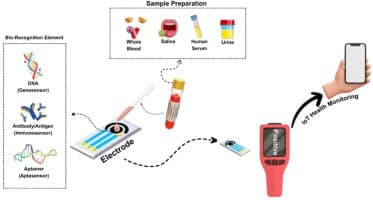

Biosensor research is a field focused on developing devices that integrate bioreceptor components (such as enzymes, antibodies, or nucleic acids) with physicochemical transducers to detect specific analytes. The biological component recognizes a specific target, and the transducer then converts the biological response into a measurable signal, such as an electrical signal. The goal is to create portable, rapid, and sensitive tools for disease diagnosis, environmental monitoring, food safety, and other applications. This type of biosensor has been developed by the Advanced Functional Materials Laboratory at ITB, including devices for detecting glucose, dopamine, and Hepatitis B proteins.
Bio Sensor
Related Publications
Dive into these recommended publications for further insights and inspiration.
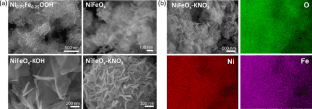
Tailoring NiFeOx nanostructures with molten salts synthesis for non-enzymatic electrochemical sensing of dopamine
Brian Yuliarto, Ni Luh Wulan Septiani, Evan Fajri Mulia Harahap
Journal of Solid State Electrochemistry 2025
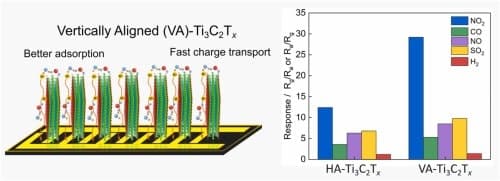
Achieving high-performance NO2 sensors via vertically-aligned Ti3C2Tx nanoarchitectures
Brian Yuliarto, Ni Luh Wulan Septiani
Sensors and Actuators B: Chemical 2025
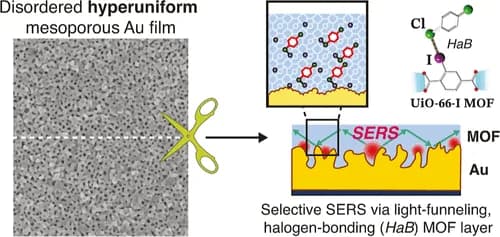
Hyperuniform Mesoporous Gold Films Coated with Halogen-Bonding Metal–Organic Frameworks for Selective Raman Sensing of Chlorinated Hydrocarbons
Brian Yuliarto, Nugraha
ACS nano 2025